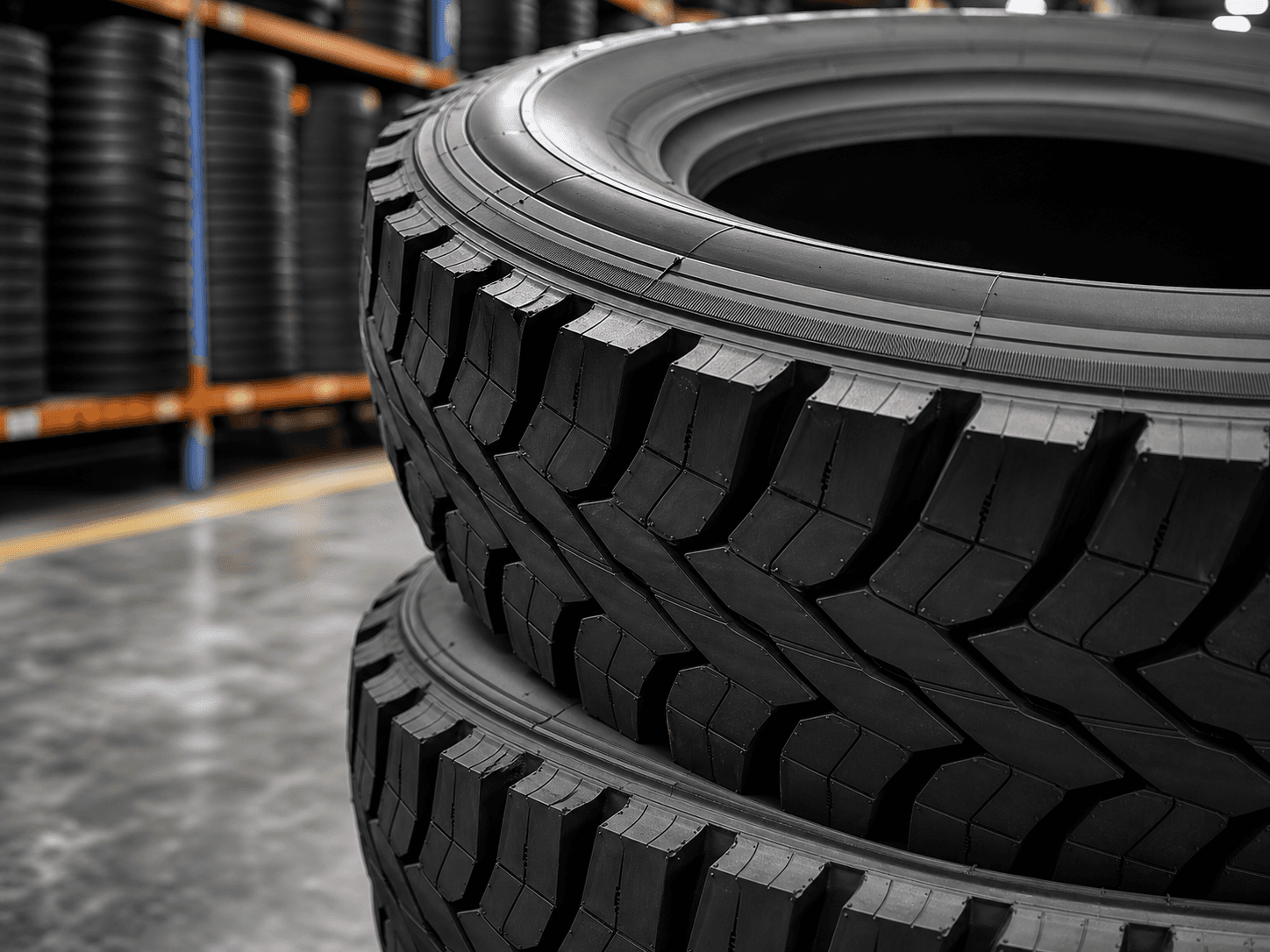
Use this guide to match tread design and casing requirements to the work performed at a specific axle instead of treating every tire of the same size as interchangeable. This article focuses on handling, braking, smooth wear, inspection confidence, and casing protection.
What Steer Tire Buying Guide Helps You Decide
Steer Tire Buying Guide addresses handling, braking, smooth wear, inspection confidence, and casing protection. The decision should begin with the tire and vehicle facts that can be verified, then move to route conditions, maintenance history, supplier support, and cost. This order matters because a tire can have the right nominal size and still be wrong for the wheel, load, axle position, or duty cycle.
For steer tire buying guide, identify the records and questions needed before a tire is purchased, moved, repaired, retreaded, or returned to service. The review must still use current manufacturer data, a safe physical inspection, and the rules that apply to the vehicle and route.
Position-Specific Selection
Steer Tire Buying Guide is primarily a position decision focused on handling, braking, smooth wear, inspection confidence, and casing protection. Start with how the axle transmits steering input, drive torque, braking, load, and scrub into the tread.
Steer positions demand predictable handling and even wear. Drive positions must balance traction, torque, weather, and rolling resistance. Trailer positions often face lateral scrub, irregular wear, long idle periods, and a wider range of driver inspection quality.
- Name the exact axle position in every quote.
- Match tread design to route and weather, not appearance.
- Keep position-specific pull points and casing rules in the fleet policy.
Match Tread Design to Axle Work
Steer Tire Buying Guide should be evaluated around the forces at that axle. Steering input, drive torque, braking, lateral scrub, lift cycles, and load transfer change how the tread and casing are stressed.
A position label is not a substitute for the model's current application guidance. Confirm load, route, speed, weather, wheel, and tire condition before moving a tire between positions.
- Name the exact axle in the quote and work order.
- Use position-specific pull points and inspection rules.
- Record any move between positions and the reason for it.
Evidence to Record
A decision about steer tire buying guide should leave a usable record. Capture the facts before the tire is removed, replaced, or returned to service so a later reviewer can tell what was observed and why the decision was made.
- Exact axle and wheel position.
- Route, weather, load, tread design, and pressure target.
- Reason for installation, movement, rotation, or removal.
Safety and Compliance Boundary
Do not move or install a tire on a different axle position without confirming the model's application guidance, load capacity, condition, route, weather exposure, and applicable restrictions. Steer-position questions deserve especially careful inspection and documentation.
Using the Research in a Quote Request
Name the exact axle and wheel position, not only the tire size. Describe steering, torque, braking, scrub, weather, route speed, and expected removal conditions so the supplier can quote a position-appropriate product.
When comparing offers for steer tire buying guide, separate verified product and service terms from estimates. Fitment and safety verification come before price, and every promised specification, delivery date, warranty, credit, or financing term should be confirmed in writing.
Frequently Asked Questions
What should be verified first for steer tire buying guide?
Verify the tire identity, wheel and vehicle requirements, axle position, actual operating load, inflation basis, physical condition, and the current primary source that governs handling, braking, smooth wear, inspection confidence, and casing protection.
Why does axle position change the tire choice?
Steer, drive, trailer, all-position, and lift-axle tires experience different steering, torque, braking, scrub, load, and inspection demands.
Can this steer tire buying guide guide approve a tire for service?
No. This steer tire buying guide article organizes research questions; it does not inspect the tire or vehicle. Service approval requires current technical data, applicable rules, the vehicle and wheel requirements, and a safe inspection by qualified personnel.
Important note
This steer tire buying guide article provides general education about handling, braking, smooth wear, inspection confidence, and casing protection. It is not legal advice, engineering certification, a tire inspection, or a substitute for current manufacturer data and applicable requirements.
Quote-ready details
Turn this research into a better quote request
For steer tire buying guide, provide the facts a supplier can verify: tire identity, position, route, load, condition, location, quantity, service need, and timing.
Tire size, axle position, and quantity.
Truck type, trailer type, load profile, and route type.
ZIP code, service location, and operating states.
Emergency, 24-48 hour, weekly, or planned replacement timeline.
Brand preference, retread preference, or open-to-recommendation status.
Installation, mobile service, roadside, financing, or fleet billing needs.