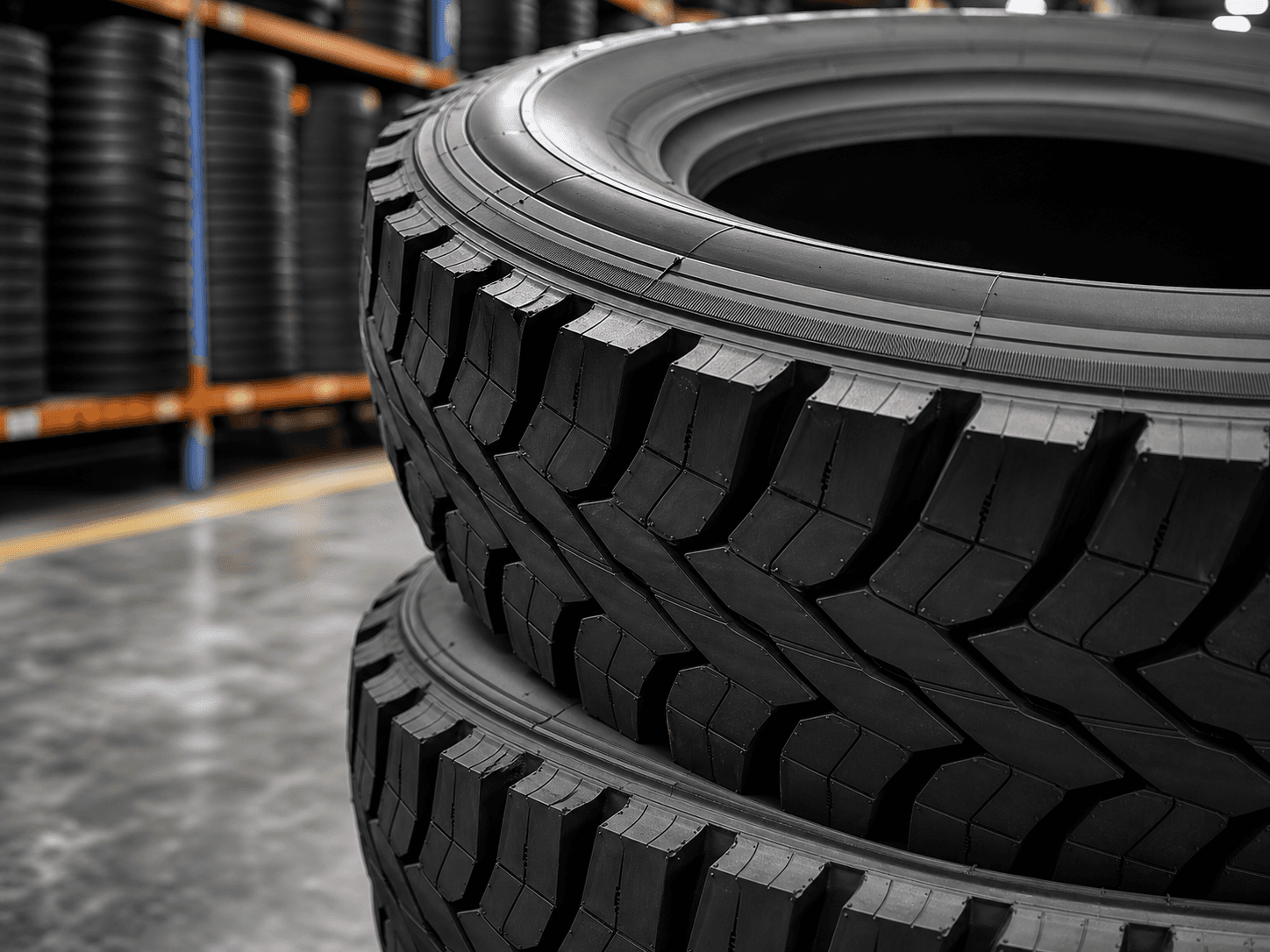
What Is a 11R22.5 Commercial Truck Tire?
11R22.5 is a standard-profile commercial tire used in commercial trucking where fitment, axle position, load, inflation, route type, and casing strategy all matter. The marking describes the tire size, but it does not tell the whole buying story. Two 11R22.5 tires can have very different tread designs, load ranges, casing value, weather behavior, and cost-per-mile outcomes.
Before comparing prices, confirm the wheel size, load range, inflation requirement, tire position, vehicle type, and whether the operation is long-haul, regional, local delivery, port, construction, bus, refuse, or mixed use. The wrong tire can mount correctly and still wear quickly, fail inspection, create downtime, or waste casing value.
Common Applications
This size is commonly considered for tractors, trailers, dump trucks, older fleet equipment. In highway service, buyers usually focus on even wear, casing value, fuel effect, and replacement availability. In regional or vocational service, scrub resistance, cut resistance, sidewall durability, and wet traction may matter more than maximum mileage.
When requesting a quote, describe the truck and lane clearly. A supplier should know whether this is a steer tire on a tractor, a drive tire for winter traction, a trailer tire for drop-and-hook work, or an all-position tire for a medium-duty route.
Steer vs Drive vs Trailer Use
Possible positions for this size include Steer, Drive, Trailer. Steer tires should be chosen for handling, braking, water evacuation, smooth wear, and inspection confidence. Drive tires should be chosen for traction, torque transfer, route type, and weather. Trailer tires should be chosen for scrub resistance, casing durability, and predictable replacement timing.
Do not compare a steer pattern, drive pattern, and trailer pattern as if they are interchangeable simply because the size matches. The axle position changes how the tire is loaded and how the tread meets the road.
Price Range and Buying Factors
Exact tire prices change with brand, size, region, freight, dealer support, installation, taxes, disposal fees, and market conditions. Rather than publishing fake exact pricing, compare the installed and landed cost: tire price, freight, mounting, valve hardware, disposal, taxes, roadside service if applicable, downtime, expected mileage, casing value, and retread potential.
Premium options may make sense when uptime, casing yield, national availability, and cost per mile matter. Mid-market options can be strong for balanced performance and acquisition cost. Value or import options may help with emergency replacement, trailers, secondary units, or controlled local duty cycles, but should be checked carefully for support and availability.
Route, Weather, and Roadside Planning
11R22.5 buyers should think about where the tire will fail, not only where it will be installed. Interstate lanes, port drayage, city delivery, mountain routes, hot desert corridors, and rural service areas create different availability and roadside-cost risks.
If this size is hard to source in the operating region, keep a planned replacement schedule and ask suppliers which comparable sizes or patterns are realistic before an emergency happens.
New vs Retread Options
Retreads can be useful when casing quality, maintenance records, and duty cycle support the program. They are especially common in drive and trailer strategies for fleets managing cost per mile. Steer applications require extra caution and should be handled under current DOT/FMCSA rules, manufacturer guidance, and qualified tire inspection.
Ask whether the tire purchase protects casing value. A cheaper first-life tire that destroys casing value may cost more over the full lifecycle than a stronger tire that returns a retreadable casing.
Common Mistakes
- Buying by size and price without confirming axle position.
- Ignoring load range, rim compatibility, inflation, and actual axle weight.
- Comparing premium, mid-market, value, and retread options without calculating lifecycle cost.
- Using a highway tire in severe-service or high-scrub conditions.
- Waiting until the tire is at or near the legal minimum before sourcing replacement options.
Choose the buying path that matches the tire problem.
Emergency replacement
Use when the truck is down, parked, or at roadside and the priority is fast availability.
Planned fleet purchase
Use when comparing sizes, brands, applications, suppliers, retreads, and total installed cost.
Financing needed
Use when cash flow, down payment, monthly budget, or commercial credit terms matter.
Roadside planning
Use when dispatchers need service-call details, payment approval, and breakdown cost control.
Request a Quote for 11R22.5 Truck Tires
Send the tire size, axle position, quantity, ZIP code, timeline, vehicle type, application, brand preference, and whether financing, installation, or roadside help is needed. Complete details make it easier to compare practical tire options.
Request 11R22.5 quotesQuote-ready details
Prepare a 11R22.5 tire quote request
A useful 11R22.5 quote should separate steer, drive, trailer, and all-position needs instead of treating every tire as the same purchase.
Tire size, axle position, and quantity.
Truck type, trailer type, load profile, and route type.
ZIP code, service location, and operating states.
Emergency, 24-48 hour, weekly, or planned replacement timeline.
Brand preference, retread preference, or open-to-recommendation status.
Installation, mobile service, roadside, financing, or fleet billing needs.