What This Position Does
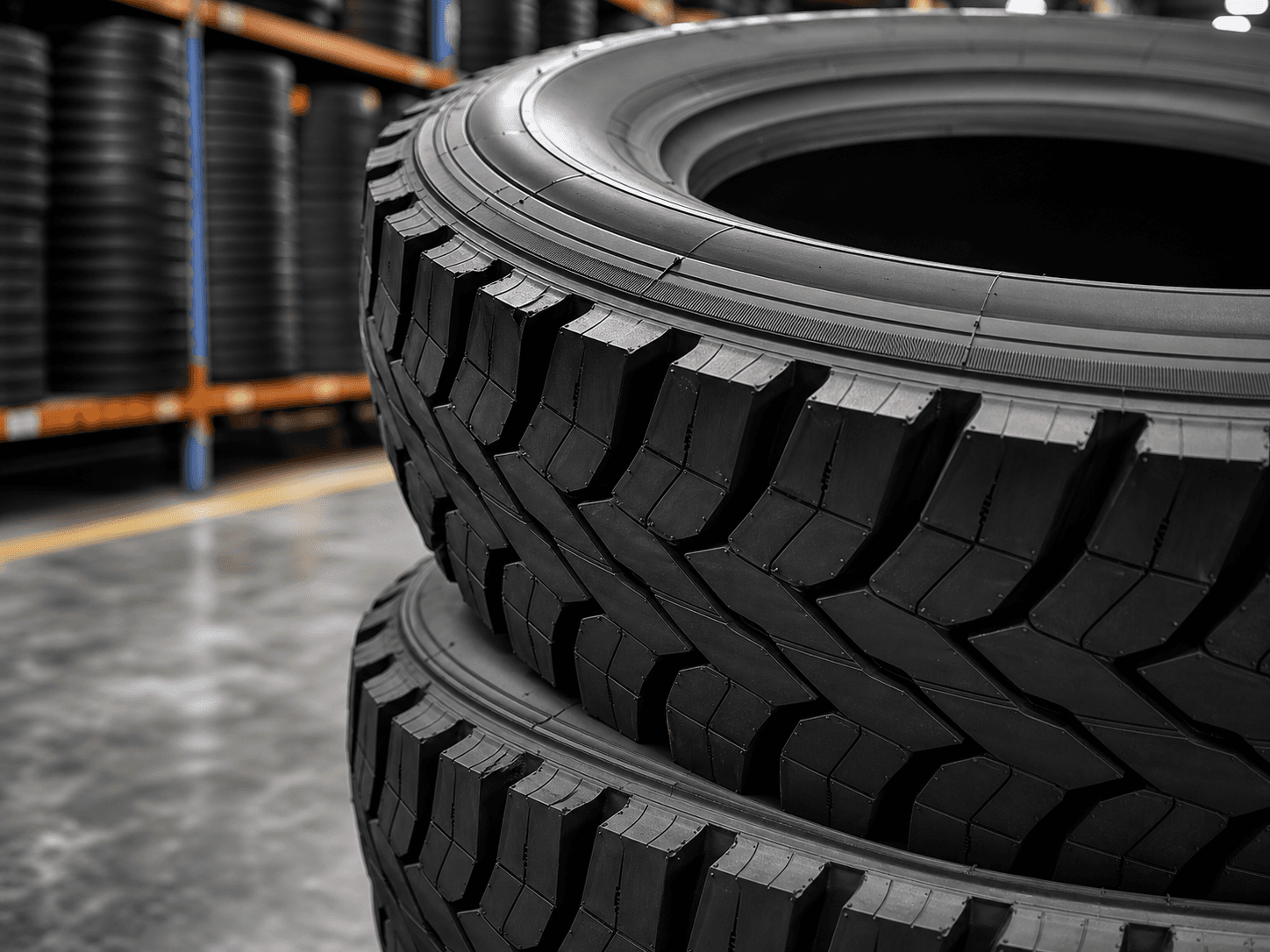
Trailer tires carry freight through scrub, turns, yard movement, and irregular wear patterns. Tire choice affects safety, uptime, fuel, casing value, maintenance patterns, and inspection exposure.
Why Tire Choice Matters
The correct tire depends on size, load rating, tread design, inflation, wheel condition, route type, weather, and whether the truck is long-haul, regional, urban, vocational, bus, trailer, or mixed use.
Common Mistakes
- Buying by size and price without matching tread to position.
- Ignoring pressure, axle load, and irregular wear patterns.
- Using retread or value options without checking duty cycle and compliance limits.
- Failing to compare installed cost, casing value, and downtime risk.
DOT and Retread Notes
DOT/FMCSA rules may change and tire fitment must be verified by qualified professionals. Steer positions deserve special caution with retreaded or regrooved tire decisions. Always verify current rules, tire manufacturer guidance, and inspection condition before dispatch.
Price Considerations
Price should include the tire, freight, mounting, balancing if used, valve hardware, disposal, taxes, roadside or mobile service, expected miles, and casing value. A low invoice can become expensive if it increases downtime or inspection risk.
Request tire quotesQuote-ready details
Prepare a trailer tires quote
Position-specific quotes should include route type, load, tire size, tread priority, service location, and whether the buyer is considering new, retread, or value options.
Tire size, axle position, and quantity.
Truck type, trailer type, load profile, and route type.
ZIP code, service location, and operating states.
Emergency, 24-48 hour, weekly, or planned replacement timeline.
Brand preference, retread preference, or open-to-recommendation status.
Installation, mobile service, roadside, financing, or fleet billing needs.