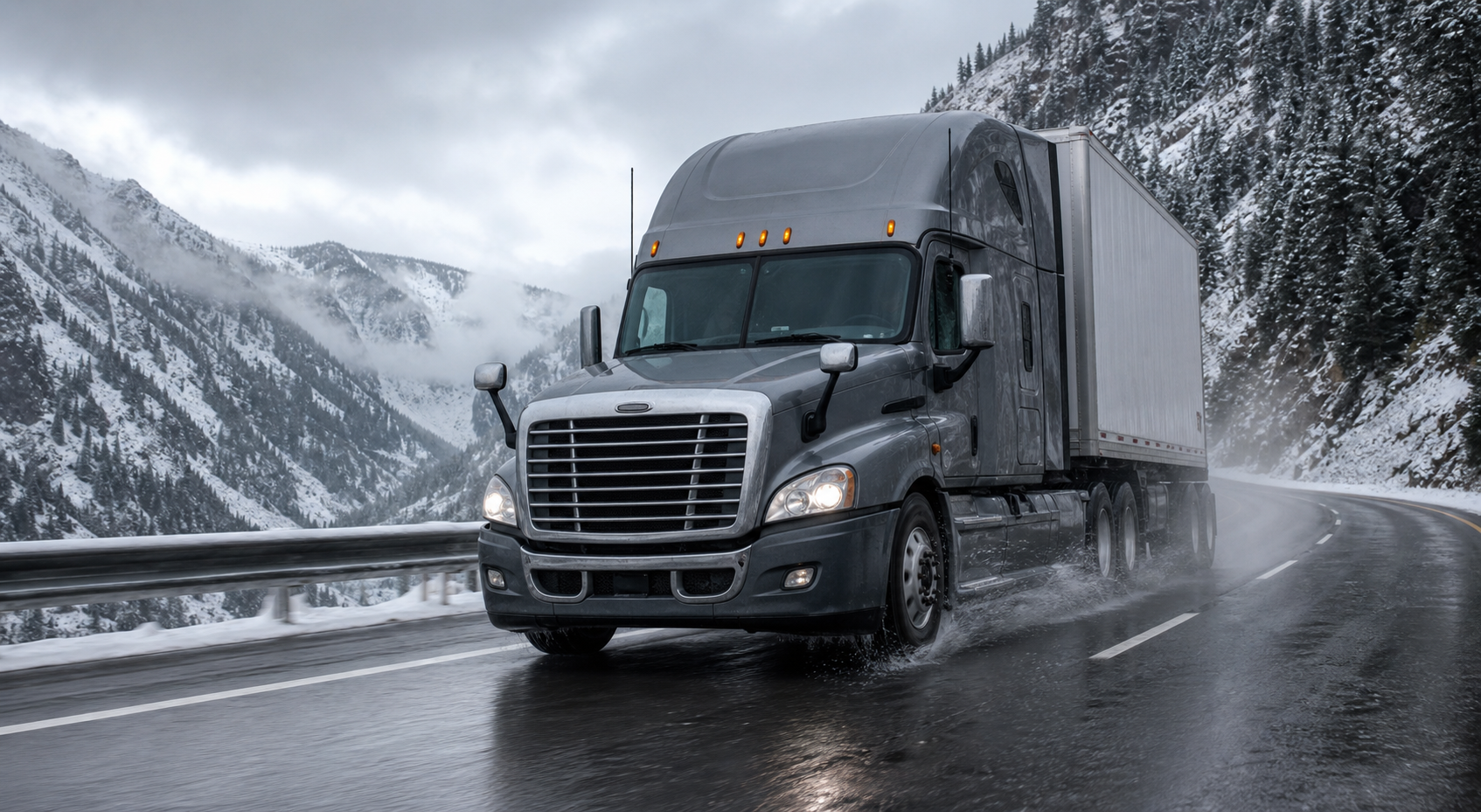
Major Freight Corridors
Arizona tire planning should start with the lanes the truck actually runs: I-10, I-17, I-40, Phoenix, Tucson, border freight. Tire availability, roadside cost, weather exposure, and route grade can change the right buying decision.
Climate and Road Conditions
Key conditions include desert heat, long rural corridors, monsoon rain, construction lanes. These conditions affect tread depth planning, inflation discipline, casing heat, traction, wet braking, impact breaks, and emergency replacement risk.
Commercial Tire Buying Considerations
Match tire type to axle position, route, season, and duty cycle. Long-haul buyers may prioritize fuel and casing value. Regional fleets may prioritize scrub resistance and wet grip. Vocational and construction buyers may prioritize cut resistance, sidewall durability, and severe-service casing strength.
Roadside Realities
Roadside tire replacement can include the tire, service call, labor, mileage, after-hours surcharges, disposal fees, and downtime. Remote lanes, mountain routes, ports, and congested metros can all raise the cost of waiting until a tire fails.
Quote Checklist
- Tire size and axle position.
- ZIP code, city, route corridor, or service area.
- Truck type and application.
- Emergency, 24-48 hour, weekly, or planned timeline.
- New, retread, used, premium, value, or open-to-recommendation preference.